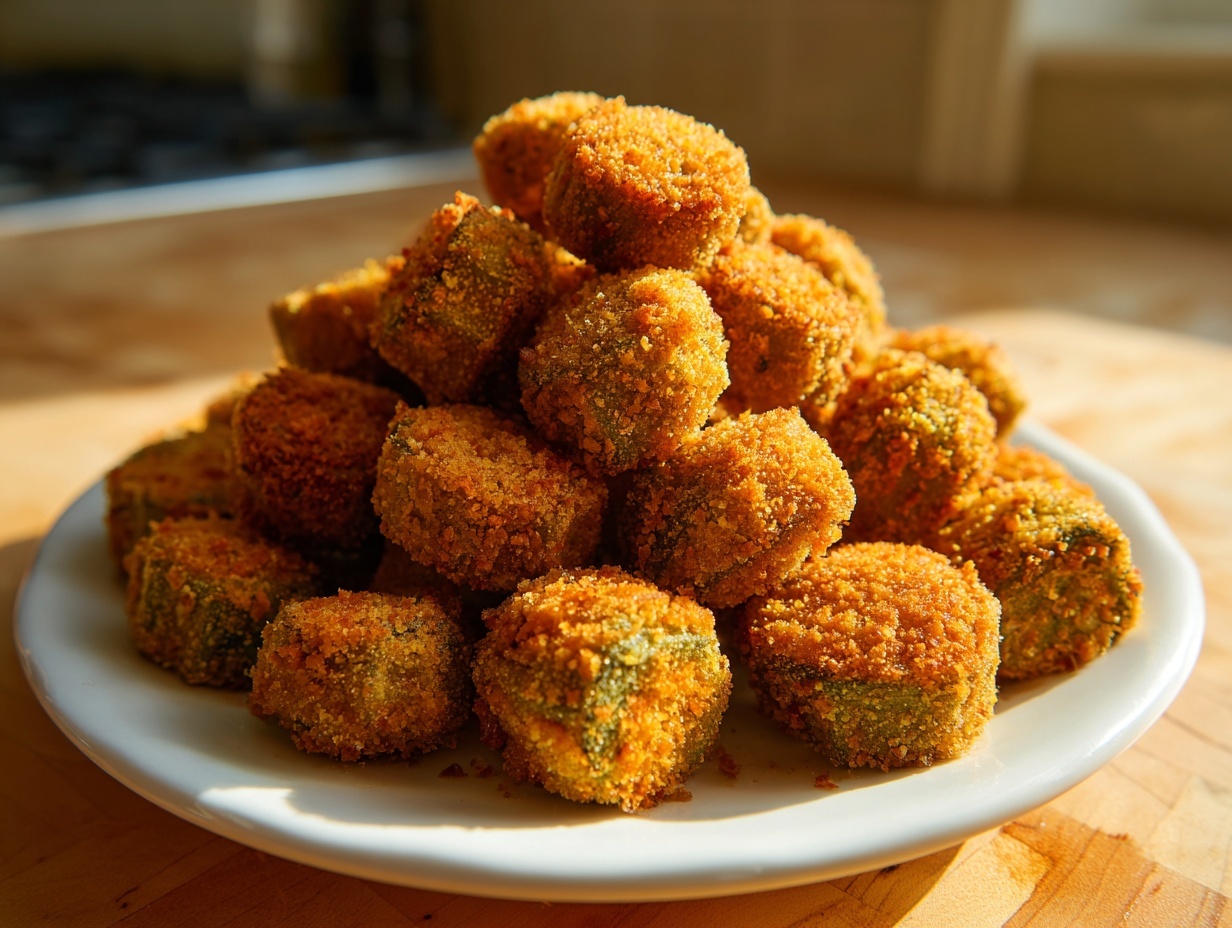
No More Slimy Okra: Secrets to Perfectly Crispy Frying
Few vegetables evoke the true spirit of Southern cooking quite like okra. From simmering in rich gumbos to gracing the grill, this versatile pod holds a cherished spot in regional cuisine. Yet, for many, okra carries a notorious reputation: its tendency to turn slimy. But what if we told you that the secret to perfectly crispy, utterly delicious okra lies not in elaborate preparations, but in a simple, time-honhonored technique? Welcome to the world of Best Southern Fried Okra: Crispy & Addictively Delicious, where "slimy" is a distant memory, replaced by a golden-brown, irresistibly crunchy coating.
Whether you're a seasoned chef or a home cook looking to conquer new culinary ground, mastering a great fried okra recipe is a game-changer. Imagine bite-sized pieces, encased in a savory, seasoned crust, offering a delightful crunch with every mouthful. This isn't just a side dish; it's a celebration of summer, a comforting classic that transforms the humble okra into a star. Let's dive into the essential secrets to achieving this Southern fried perfection.
The Quest for Crispy: Why Frying is King (and How it Works)
Okra, with its unique texture and mild, grassy flavor, lends itself to many cooking methods. You can enjoy it fresh and raw with a sprinkle of salt, as famed Oklahoma gardener Ree Drummond does, or see it featured in diverse dishes from pickling jars to hearty stews. Air-frying offers a lighter alternative, and grilled okra makes a fantastic cookout accompaniment. However, when it comes to combating okra's inherent mucilage – the natural compound responsible for its "sliminess" – deep frying stands unparalleled.
The magic happens when okra hits piping hot oil. The high temperature rapidly cooks the exterior, creating a crisp barrier, while the intense heat denatures the mucilage, preventing it from becoming slick. Instead of a gooey texture, you're left with a tender interior and an incredibly satisfying golden crust. It’s a rapid transformation that turns a potentially divisive vegetable into an universally loved snack or side.
Mastering the Crispy Fried Okra Recipe: Step-by-Step Guide
Creating spectacular fried okra from scratch is surprisingly straightforward. Forget complex dredging procedures; this classic Easy Crispy Fried Okra: An Old-Fashioned Southern Guide focuses on simplicity and technique to deliver maximum flavor and crunch.
Choosing Your Okra: Fresh vs. Frozen
- Fresh Okra: Always the preferred choice for its superior texture and vibrant flavor. Look for pods that are firm, bright green, and free from blemishes. Smaller pods tend to be more tender and less woody. Fresh okra is typically in season during the summer months, making it an ideal warm-weather treat.
- Frozen Okra: A perfectly acceptable alternative when fresh isn't available. However, frozen okra requires an extra step to prevent mushiness. It must be thawed completely before use. Once thawed, it will be noticeably wet. This excess moisture is the enemy of crispiness, so make sure to drain it thoroughly and pat it bone-dry with paper towels before proceeding.
Prep Secrets: The Foundation of No-Sliminess
- Wash and Dry Thoroughly: Just like any fresh produce, okra needs a good rinse under cold water to remove dirt or residue. However, the most critical step for combating sliminess begins here: drying. Use a clean kitchen towel or paper towels to pat the okra absolutely dry. Any residual moisture will lead to steaming rather than crisping, and can cause the oil to splatter dangerously.
- Slice Just Before Frying: Okra's mucilage is released when it's cut. The longer it sits sliced, the slimier it can become. To minimize this, wait until you're ready to bread and fry before slicing your okra into ½-inch to ¾-inch rounds. This quick-action approach significantly reduces the potential for a slimy outcome.
- No Boiling Required: Some recipes suggest blanching or boiling okra before frying. This is a step you can and should skip for this recipe! Raw, freshly cut okra fries up perfectly tender in just a few minutes, retaining its vibrant flavor and contributing to that ultimate crispy exterior. Boiling would only introduce more moisture and potentially lead to a mushy result.
The Perfect Breading: A Simple Dredge
The key to that irresistible golden crust lies in a simple, yet effective breading mixture:
- Egg Wash: A quick dip in a beaten egg (or egg white, if preferred) provides the perfect adhesive for your breading.
- Breading Mixture: Combine yellow cornmeal for quintessential Southern crunch, all-purpose flour for a lighter texture, and your choice of seasonings. Classic additions include cayenne pepper for a subtle kick, salt, and freshly ground black pepper. For added depth, consider a pinch of garlic powder, onion powder, or even a touch of smoked paprika.
- Technique: After a brief dip in the egg, transfer the okra pieces to a zip-top bag containing your breading mixture. Shake vigorously until each piece is evenly coated. This method ensures maximum coverage with minimal mess, preparing your okra for its crispy destiny.
Frying for Gold: Temperature and Timing
The actual frying process is quick, but precision is key:
- Heat the Oil: Pour about 1-2 inches of a neutral-flavored oil with a high smoke point into a heavy-bottomed skillet or Dutch oven. Vegetable oil, canola oil, or peanut oil are excellent choices. Heat the oil to around 350-375°F (175-190°C). A thermometer is highly recommended for accuracy, as proper oil temperature is crucial for crispiness and preventing oil absorption.
- Fry in Batches: Do not overcrowd the pan. Frying in small batches ensures the oil temperature doesn't drop too drastically, allowing the okra to fry quickly and evenly. Overcrowding leads to steaming, which means limp, soggy okra.
- Golden Perfection: Fry the okra for just 2-4 minutes per batch, stirring occasionally, until it reaches a beautiful golden brown and is wonderfully crisp.
- Drain and Season: Using a slotted spoon, carefully remove the fried okra and transfer it to a plate lined with paper towels or, even better, a wire rack set over paper towels. This allows excess oil to drain away, maintaining maximum crispness. Immediately sprinkle with a little extra salt while it's hot.
Common Pitfalls and How to Avoid Them
Even with the best intentions, things can go awry. Here’s how to troubleshoot common issues with your fried okra recipe:
Why is my okra slimy?
This is the most common complaint, but easily preventable. The primary culprits are usually:
- Not drying the okra thoroughly enough: Moisture on the surface encourages sliminess and prevents crisping.
- Slicing too far in advance: The longer the cut okra sits, the more mucilage it releases.
- Oil not hot enough: If the oil is too cool, the okra will absorb too much oil and cook slowly, resulting in a greasy, potentially slimy texture rather than a crisp one.
Handling Wet Okra (especially frozen)
If using frozen okra, or if your fresh okra feels particularly damp after washing, don't skip the drying step. In fact, you might want to lay it out on paper towels for 10-15 minutes after thawing/washing, gently patting it periodically, to ensure it's truly dry before breading. The dryer the okra, the crisper the fry.
Serving Suggestions and Enjoyment
Fried okra is best enjoyed warm, straight from the skillet, ideally with a final sprinkle of sea salt to enhance its flavor. It makes an excellent side dish for almost any meal, especially classic Southern fare. Pair it with fried catfish, barbecue ribs, grilled chicken, or even a simple burger. During summer cookouts and fish fries, it’s a non-negotiable addition that disappears quickly.
This simple fried okra recipe isn't just about avoiding sliminess; it's about embracing a quintessential Southern comfort food experience. With its crunchy exterior and tender interior, each bite is a testament to the magic of simple ingredients and proper technique.
Conclusion
Say goodbye to unappetizingly slimy okra and hello to a new favorite side dish! By understanding the importance of proper preparation—especially drying and slicing just before cooking—and maintaining the correct oil temperature, you can achieve consistently crispy, golden-brown fried okra every single time. This classic fried okra recipe transforms a sometimes-misunderstood vegetable into an addictive delight that will have everyone reaching for more. So, next time you spot fresh okra at the market, don't hesitate. You now hold the secrets to frying perfection!
