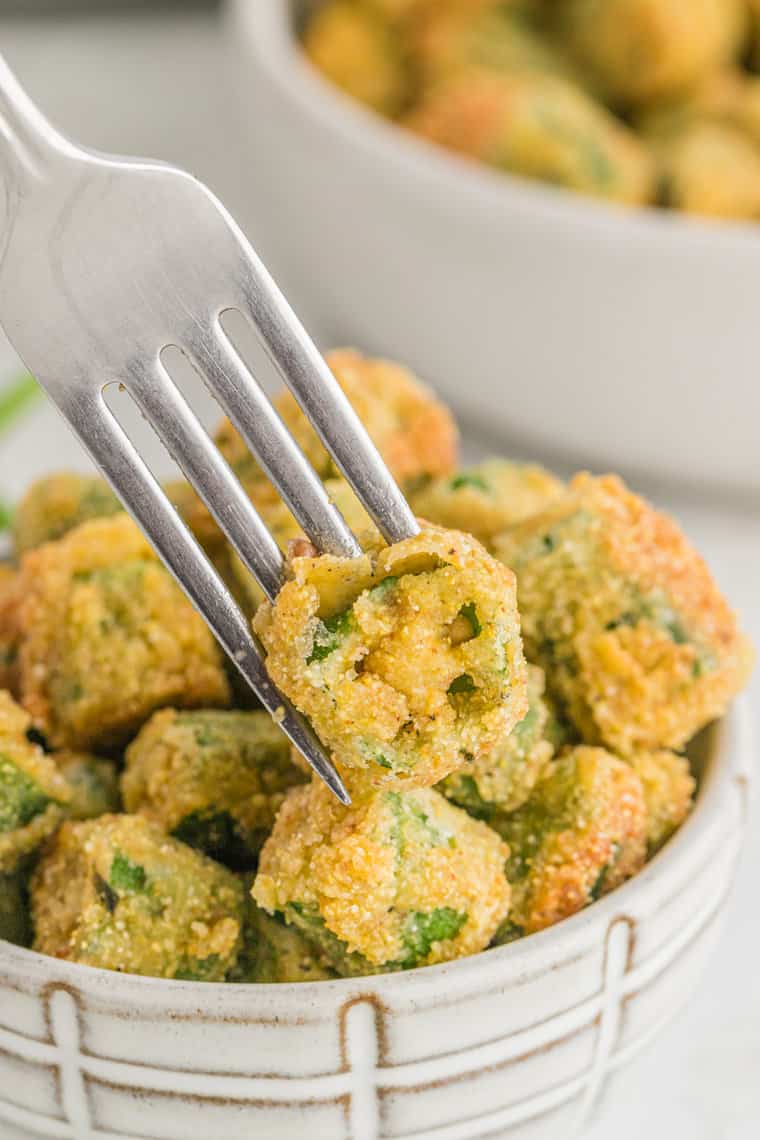
The Allure of Old-Fashioned Fried Okra: A Southern Staple Reimagined
There's something undeniably magical about a plate of freshly made fried okra. The gentle hum of hot oil, the comforting aroma filling the kitchen, and that first irresistible crunch that gives way to tender, sweet okra within—it's a symphony for the senses, deeply etched into the heart of Southern cuisine. This beloved summer vegetable, often overlooked, transforms into a golden-brown delicacy when prepared with a time-honored
fried okra recipe.
While okra is a quintessential Southern staple, its reach extends beyond the Mason-Dixon Line, thriving in gardens as far north as Oklahoma, where even Ree Drummond enjoys the summer bounty. And though she might famously savor fresh okra raw with a sprinkle of salt (a surprisingly delightful experience if you've never tried it!), the versatility of this pod knows no bounds. Okra finds its way into many culinary methods: grilled for a smoky char, pickled for a tangy bite, simmered in a rich gumbo, or, in its most iconic form, fried to crispy perfection. Whether you opt for a modern air fryer approach or stick to the classic skillet method, the result is the same: an addictively crunchy, golden side dish that embodies true Southern comfort.
The reputation of okra sometimes precedes it, with whispers of a "slimy" texture. However, the true beauty of a good fried okra recipe lies in its ability to banish this concern entirely. The secret? Quick cooking at a high temperature. This technique ensures that instead of a slick or limp texture, you achieve a stunningly crispy, golden crust that seals in the okra's natural sweetness, making it utterly irresistible.
Crafting the Perfect Crispy Fried Okra: Your Go-To fried okra recipe Guide
Creating the perfect plate of crispy fried okra from scratch is surprisingly simple, bypassing the complicated steps often associated with a classic dredge. The key lies in mindful preparation and execution.
Preparation is Key: Setting the Stage for Crispness
First, let's talk about the star of our show: fresh okra. Just like any fresh vegetable, okra demands a thorough wash. Rinse your pods under cold water to remove any dirt, chemicals, or residual field grime. But here’s where a crucial step comes in: drying. After washing, gently pat the okra completely dry with paper towels. This isn't just about preventing oil splatter; it's paramount for achieving that coveted crispiness. Excess moisture will lead to a soggy coating and a less-than-ideal texture.
Once dry, trim both ends of the pods and slice the okra into uniform, bite-sized rounds. Consistency in size ensures that every piece cooks evenly. A critical tip for avoiding sliminess is to slice your okra just before you're ready to bread and fry it. The longer cut okra sits, the more mucilage it can release.
The Breading Magic: A Simple Yet Effective Coating
With your okra prepped, it's time for the coating. You won't need an elaborate multi-stage dredging process here. Start with a quick dip in a beaten egg. This acts as the binder, allowing our simple yet robust breading mixture to adhere beautifully.
For the breading itself, a classic Southern
fried okra recipe relies on a combination of cornmeal and all-purpose flour. The cornmeal is the hero here, providing that distinctive gritty texture and exceptional crunch that defines good fried okra. The flour helps create a more cohesive coating. To this base, add a pinch of cayenne pepper for a subtle Southern kick, along with salt and black pepper. For an extra layer of flavor, consider incorporating a dash of garlic powder, onion powder, or even smoked paprika.
The easiest way to coat your okra is by using a zip-top bag. Add your sliced, egg-dipped okra to the bag with the breading mixture, seal it, and give it a good shake. This ensures an even, consistent coating on every single piece, saving you time and mess.
Frying for Perfection: The Golden Moment
Now for the exciting part: frying. Heat about 1-2 inches of high smoke point oil (such as vegetable, canola, or peanut oil) in a heavy-bottomed skillet or Dutch oven over medium-high heat. The oil temperature is critical—you're aiming for around 350-375°F (175-190°C). If you don't have a thermometer, you can test by dropping a tiny pinch of breading into the oil; it should sizzle immediately.
Carefully add the breaded okra to the hot oil in batches. This is important: do not overcrowd the pan. Overcrowding will drop the oil temperature, leading to greasy, soggy okra instead of crispy perfection. Fry for just 2-4 minutes, or until the okra is beautifully golden brown and crispy. The small pieces cook through very quickly.
Once fried, use a slotted spoon to transfer the okra to a plate lined with paper towels to drain any excess oil. Immediately sprinkle with a little extra salt while it's still hot. This simple step enhances the flavor tremendously. For even more delicious guidance, be sure to check out our article on
Best Southern Fried Okra: Crispy & Addictively Delicious.
Fried Okra FAQs & Troubleshooting: From Slimy to Sublime
Even with a straightforward recipe, questions can arise. Here’s how to navigate common concerns to ensure your fried okra is nothing short of perfect.
Fresh vs. Frozen Okra: What's Best?
While we enthusiastically recommend fresh okra for its superior texture and vibrant flavor, frozen okra is a perfectly acceptable substitute when fresh isn't available. However, there's a vital step to take if using the frozen variety: thaw it completely before cooking. Once thawed, frozen okra will be quite wet, which can lead to a mushy texture if not addressed. To combat this, drain any excess water thoroughly and then—this is crucial—pat the okra exceptionally dry with paper towels. The drier the okra, the crispier your final product will be.
Should I Boil Okra Before Frying?
Absolutely not! This is one step you can confidently skip. Raw okra is ideal for frying. Since the okra is cut into small, bite-sized pieces, it cooks perfectly through during the short frying time. Pre-boiling would only introduce more moisture, risking a soggy outcome and diminishing the beloved crispy texture we're aiming for.
Battling the Sliminess Myth: Why Does Okra Get Slimy?
It's true; okra has a natural mucilage that can make it seem slimy when cut. And the longer it sits exposed to air after slicing, the more pronounced this tendency becomes. However, a well-executed
fried okra recipe is the ultimate weapon against sliminess. The key is frying it quickly at a high temperature, which essentially "shocks" the okra, sealing in its juices and preventing the mucilage from becoming noticeable.
Beyond the frying technique, a few other tips can help:
- Slice Just Before Frying: Minimize the time between slicing and cooking.
- Dry Thoroughly: As mentioned, moisture contributes to sliminess and hinders crisping.
- Choose Wisely: When buying fresh okra, look for smaller pods (typically 3-4 inches long). These tend to be more tender and less "woody" or fibrous, and often have less prominent sliminess. Fresh okra is usually at its peak in July and August.
By following these simple guidelines, you'll ensure your fried okra is gloriously crispy and completely free of any unwanted sliminess. For more in-depth techniques, consult our article,
No More Slimy Okra: Secrets to Perfectly Crispy Frying.
Serving Your Crispy Fried Okra: More Than Just a Side
While undeniably a stellar side dish, especially during the peak of summer when okra is fresh and abundant, crispy fried okra is so versatile it can easily transition into a fantastic snack.
Pair it with other Southern favorites for a truly authentic meal. It’s an ideal companion to fried catfish at a fish fry, complements smoky barbecue ribs perfectly, or adds a delightful crunch alongside grilled chicken or pulled pork. Beyond the main course, fried okra can also be a star on its own, served with a selection of dipping sauces like creamy ranch, zesty remoulade, a spicy mayonnaise, or a homemade comeback sauce. The simple act of popping one golden nugget after another makes it an irresistible appetizer or a quick afternoon treat.
Conclusion
There you have it: the secrets to an easy, old-fashioned, and utterly delicious crispy fried okra. This Southern classic, with its golden-brown crust and tender interior, is a testament to the power of simple ingredients and time-honored techniques. Don't let the "slimy" myth deter you; with the right approach—quick frying at a high temperature, proper drying, and fresh ingredients—you'll unlock the true potential of this delightful summer vegetable. So, gather your okra, heat your oil, and prepare to create a batch of this addictively crunchy, flavorful Southern comfort food. Your taste buds will thank you for mastering this essential
fried okra recipe.